
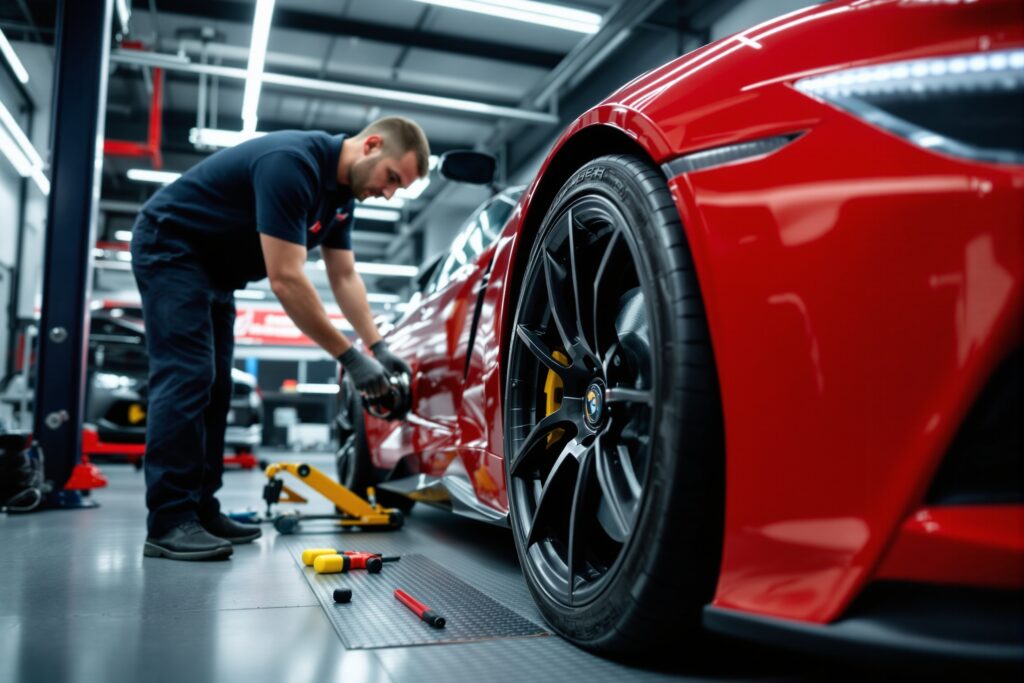
How to Prepare Your Car for a Track Day
Preparing your car for a track day is one of the most important steps in ensuring both performance and safety. Many drivers underestimate how demanding a racetrack can be compared to everyday driving. Higher speeds, harder braking, and longer periods of stress can quickly expose weak points in your vehicle. Taking the time to properly prepare can make the difference between a successful day and mechanical failure.
The first area to focus on is your braking system. Track driving puts significantly more strain on brakes than normal road use. You should inspect brake pads carefully and ensure there is enough material remaining. If your pads are worn, replacing them with performance-oriented compounds is highly recommended. Brake fluid is equally important. Standard fluid can boil under extreme temperatures, leading to brake fade or complete failure. Upgrading to high-temperature brake fluid is a simple but crucial improvement.
Tires are another critical component. Unlike street driving, track conditions require optimal grip and consistent performance. Check tire wear and ensure there are no cracks or uneven patterns. Adjust tire pressure before and during the track day, as pressure will increase with heat. Many experienced drivers lower pressure slightly at the start to account for this change. Proper tire management improves handling and reduces the risk of losing control.
Fluids should also be checked thoroughly. Engine oil, coolant, and transmission fluid must all be at appropriate levels. Old or degraded fluids can cause overheating or engine damage under stress. If your car has not been serviced recently, a full inspection is highly recommended before heading to the track.
Weight reduction is often overlooked but can significantly improve performance. Removing unnecessary items from the interior reduces strain on the engine and brakes. Even small changes can have noticeable effects on acceleration and handling. Securing loose items is also important for safety, as objects can move around during aggressive driving.
Suspension components should be inspected to ensure everything is tight and functioning properly. Worn bushings or damaged shocks can negatively affect handling. Even if you are not modifying suspension, ensuring it is in good condition will help maintain stability.
Driver preparation is just as important as vehicle preparation. Make sure your seating position allows full control of the pedals and steering wheel. Wearing proper gear such as a helmet is often required and adds an extra layer of safety. Staying hydrated and focused throughout the day helps maintain consistent performance.
Finally, always start with a conservative approach. Do not push the car to its limits immediately. Gradually build up speed and get familiar with the track layout. This approach allows you to identify any issues early and adjust accordingly.
A well-prepared car not only performs better but also gives you confidence behind the wheel. By taking these steps, you ensure a safer and more enjoyable track experience.